Column · @daltonclwh208
Fotona 4D Laser Facial (TimeWalker) for Glow and Tightness
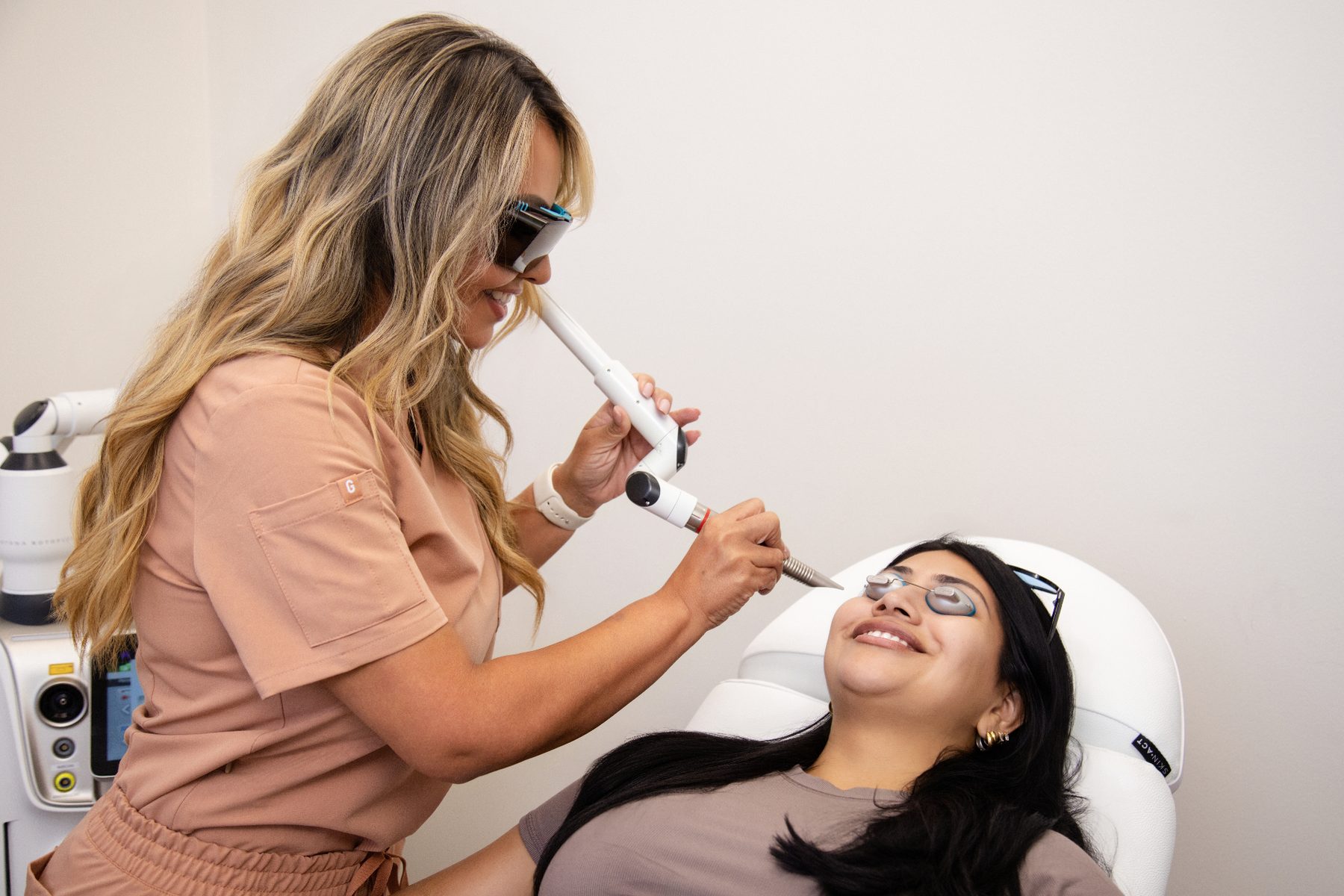
The appeal of non-surgical skin tightening is easy to understand. Most people are not chasing dramatic change. They want fresher skin, a cleaner jawline, a little more firmness around the mouth and cheeks, and that rested look that is hard to fake with skincare alone. The challenge is finding a treatment that does enough to be worth the appointment, but not so much that it takes over your week with peeling, bruising, or social downtime.
That is where the Fotona 4D Laser Facial (TimeWalker) has earned genuine interest. It sits in a useful middle ground. The treatment is designed to improve glow, texture, and mild to moderate laxity by working both inside the mouth and on the skin’s surface. Done well, it can give a real tightening effect with far less disruption than more aggressive resurfacing. Done poorly, or chosen for the wrong patient, it can disappoint because expectations outrun the biology.
I have seen this treatment make the most sense for people in their thirties through fifties who notice early softening in the lower face, creasing around the mouth, or a general loss of bounce. It is not a facelift, and it should never be sold like one. But for the right person, it can be an elegant procedure because it combines subtle lift, refinement of skin quality, and a healthy, polished finish that often reads as “you look well” rather than “you had work done.”
What the Fotona 4D Laser Facial (TimeWalker) actually is
Despite the name, this is not a standard “facial” in the spa sense. It is a physician-led or medically supervised laser treatment that uses Er:YAG and Nd:YAG wavelengths in a sequence intended to target different tissue depths. The “4D” refers to four treatment modes, each with a distinct role. One works from inside the mouth to heat tissue and stimulate tightening in areas that are difficult to reach externally. Others address deeper support structures, surface texture, and controlled polishing of the skin.
That combination is the reason the treatment has a different profile from a one-dimensional laser session. It is not just about making the top layer of skin look brighter for a week. The design aims to create immediate contraction from heat and then longer-term collagen remodeling over the following weeks and months.
The TimeWalker platform has helped bring this treatment into wider discussion because it packages several protocols under one system and tends to make the treatment flow more streamlined for the provider. Patients usually care less about the platform name than about the outcome, but the practical point matters. A platform that allows the practitioner to move efficiently between settings and handpieces can improve consistency, and consistency matters with energy devices.
Why people choose it for glow and tightness
The words “glow” and “tightness” can sound fluffy in marketing, but they describe two different effects.
Glow usually comes from a few visible changes happening together. The skin reflects light more evenly because texture is smoother. Mild superficial pigmentation may look softer. Fine creases can look less etched. There is often better hydration retention after the barrier recovers, partly because the skin surface is not as rough. Makeup sits better. In daylight, the face looks less dull.
Tightness is a different story. Patients usually mean one of three things when they say they want tighter skin. They want the lower face to feel less heavy, they want the area around the mouth to look less crinkled, or they want the cheeks and jawline to look a little more defined. Fotona 4D Laser Facial (TimeWalker) The Fotona 4D approach can help all three to a degree, especially when laxity is still mild to moderate. It tends to struggle when skin is very loose, facial fat has shifted significantly, or the patient really needs volume restoration rather than tightening.
This distinction is important. A person with hollow cheeks and thinning temples may think their skin is sagging when the more obvious issue is volume loss. A laser can improve skin quality beautifully, but it cannot replace support the way well-judged filler, biostimulators, or surgery can. Good practitioners sort that out before treatment, not after.
The four layers, and why they matter
The reason many patients notice a more complete result from this treatment than from a simple resurfacing session is that the treatment is layered. The exact settings and sequence vary by provider and by patient, but the broad concept is consistent.
The first component often treats from inside the mouth, usually along the cheeks and around the oral commissure area. This sounds unusual until you understand the logic. Heat delivered to the mucosal side can stimulate collagen remodeling in tissue that contributes to perioral lines, cheek support, and lower-face tightening. Patients frequently say this portion feels warm rather than painful, though sensitivity varies.
The second component targets deeper structures from the outside. Here the goal is more about bulk heating and support than about visible surface change on the day. This is the portion that often contributes to the firmer, slightly lifted feeling that develops over time.
The third layer usually addresses imperfections closer to the skin surface, including fine lines and texture irregularity. This is where the treatment starts to contribute more obviously to brightness and refinement.
The final stage is often a light polishing pass. That can leave the skin looking smoother and fresher once initial redness settles. It is this combination of internal tightening, deep support, and surface finishing that gives the treatment its reputation for producing a visible but not overdone result.
Patients often expect all the benefit to appear immediately. That is not how it works. Some see a same-day plumpness from mild swelling and tissue contraction, but the more meaningful improvement unfolds gradually as collagen remodeling progresses. In practice, the sweet spot is often several weeks after treatment, not the next morning.
What a session feels like in real life
The experience is usually more tolerable than patients fear, though comfort depends on settings, treatment goals, and individual pain threshold. A topical numbing cream may be used for the external portions, while the intraoral stage typically relies more on speed, technique, and patient coaching than on heavy anesthesia. Most people describe heat, prickling, and short bursts of snapping warmth rather than true pain.
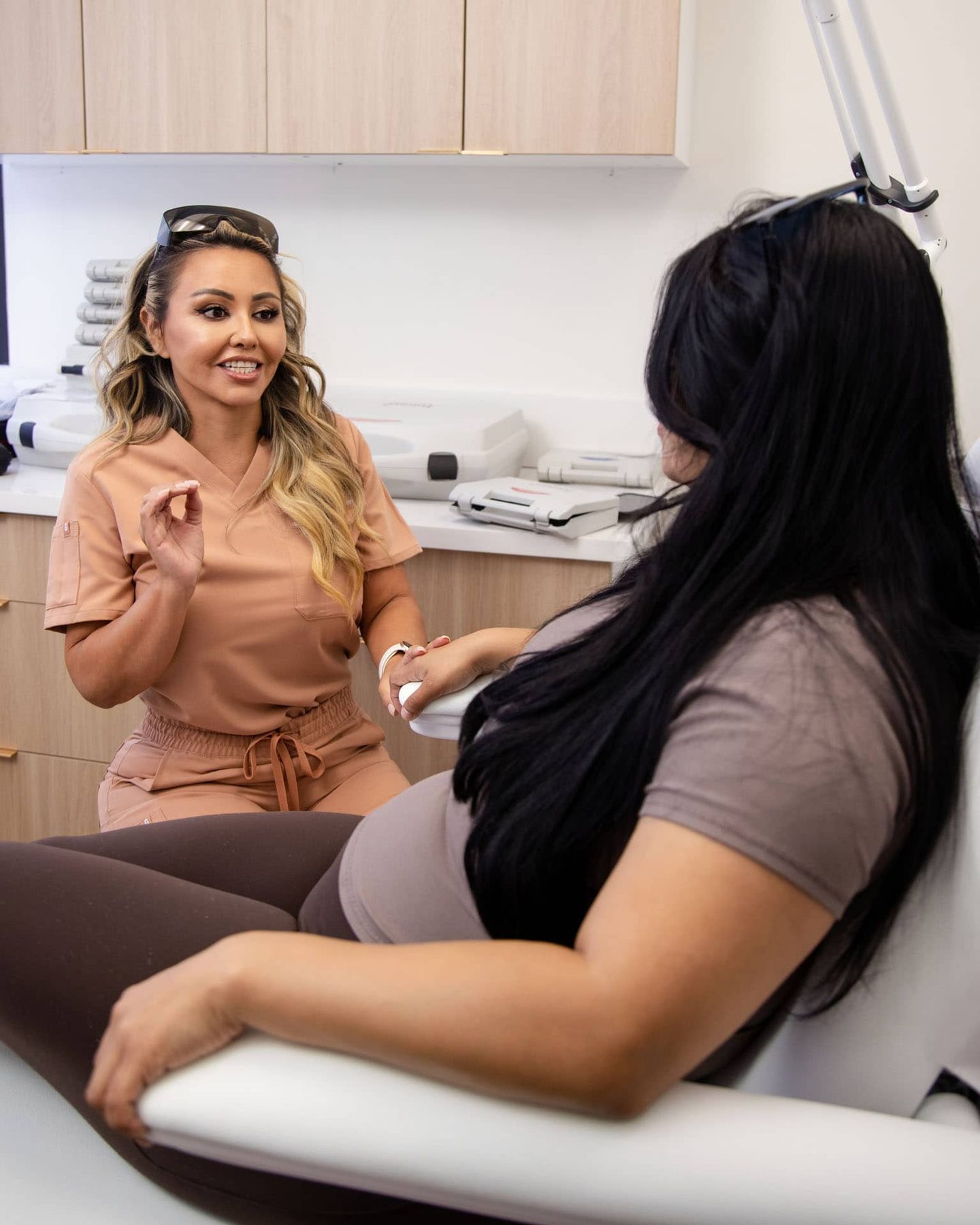
A full session can take anywhere from around 45 minutes to well over an hour depending on whether the face alone is treated, whether the neck is included, and how thorough the resurfacing component is. The treatment room rhythm matters. Providers who rush through the passes can miss the careful overlap and parameter control that make lasers work safely. Providers who move methodically, communicate what each stage will feel like, and adjust based on skin response tend to deliver a better experience.
Right after treatment, the skin usually looks pink to red, a bit puffy, and warm. Some patients compare it to a moderate sunburn. If the surface polishing step was light, redness can settle quickly, sometimes within a day or two. If a stronger resurfacing component was used, the recovery can be more noticeable, with roughness or bronzing before the skin smooths out.
This is one reason blanket statements about “no downtime” are not especially honest. Downtime is often limited, but it is not identical for everyone. Someone having a gentle session before an event may be presentable quickly. Someone having a more corrective pass for lines and texture should expect a more visible recovery.
Who tends to get the best result
The ideal candidate is not necessarily the person with the most obvious aging. In fact, treatments like this often shine in the patient who has enough collagen reserve left to respond well, but enough early change to appreciate the improvement. Skin that still has some elasticity can remodel more convincingly than skin that has moved far beyond the point where energy-based tightening can meaningfully compensate.
In clinic conversations, the best-fit patient often sounds like this: “I do not want surgery. I want my skin to look smoother and brighter, and I feel like the area around my mouth or jaw is starting to soften.” That person is usually more likely to be satisfied than the patient who says, “I want my jowls gone and my neck lifted.”
It can also be a smart option for patients who are laser-curious but wary of full ablative resurfacing. They want visible improvement, but they cannot or do not want to disappear for ten days. That said, safety and suitability depend on more than preference. Skin tone, tanning status, history of pigment issues, active acne or infection, cold sore history, medications that affect healing, and recent procedures all influence treatment planning.
People with darker skin tones can sometimes be treated safely, but this is where practitioner judgment matters. Not every laser protocol suits every skin type equally, and a provider who treats a broad range of skin tones should be able to explain how they modify settings, whether they pre-treat for pigment risk, and what post-care is needed to reduce the chance of post-inflammatory hyperpigmentation.
Results, timing, and the question everyone asks
The first practical question is simple: how many sessions?
The honest answer is that it depends on the starting point. Some people like what they see after one treatment, especially if their goal is a refreshed look before an occasion. For firmer skin and more durable change, a series is often recommended. In many practices, that means around three sessions spaced several weeks apart, followed by maintenance. Maintenance might be once or twice a year, depending on age, skin quality, sun exposure, and how aggressively the treatment was done.
The second question is when results show up. Glow can be fairly quick. Once the initial redness calms and the skin surface evens out, many patients notice smoother texture and better light reflection within days to a couple of weeks. Tightness takes longer. Collagen remodeling is not a weekend process. Most patients who are going to be pleased with the lifting aspect start to appreciate it over the following month or two.
The third question is how long it lasts. That is harder to answer with precision because “lasting” means different things to different people. Skin continues to age. Weight fluctuations, hormones, stress, sleep, and sun exposure all leave their mark. A good response can remain visible for months, particularly if the patient protects their skin and follows with maintenance. Still, this is not a once-and-done treatment for the rest of your life. It is better understood as a collagen-stimulating intervention that can be built into a broader skin strategy.
Where it outperforms other options, and where it does not
The Fotona 4D Laser Facial (TimeWalker) earns its place because it can address multiple concerns in one sitting. Someone with mild laxity, fine perioral lines, and dullness may get more balanced improvement from this than from a treatment that only resurfaces or only tightens. The intraoral element is especially distinctive, and when lower-face support is part of the goal, that internal approach can make the treatment feel more targeted.
Compared with classic ablative lasers, it often involves less downtime and a lower intensity recovery. Compared with purely superficial treatments, it usually offers more meaningful structural benefit. Compared with radiofrequency microneedling, it may be more appealing for patients who do not want multiple needle passes, though the two are not direct substitutes and can be complementary in the right plan.
Where it falls short is equally important. If a patient has deeper etched wrinkles, especially from years of smoking or substantial sun damage, they may need more aggressive resurfacing to get the change they envision. If volume loss is the dominant issue, a laser alone may sharpen the skin but still leave the face looking tired. If there is advanced jowling or neck laxity, surgery remains the most effective answer.
This is why the consultation matters more than the device brochure. Devices are tools. Outcomes depend on matching the right tool to the actual problem.
The subtle art of combining it with other treatments
One of the most practical things about this laser is how well it can fit into a larger treatment plan. Not on the same day in every case, and not in a careless “stack everything” way, but thoughtfully.
A patient with strong facial movement and etched lines around the eyes or forehead may do better if neuromodulator is part of the plan. A patient with hollowness through the midface may get a better overall result from conservative volume restoration plus laser than from repeated tightening sessions alone. A patient with diffuse redness or pigment may benefit from separate vascular or pigment-focused treatment depending on what is actually driving the uneven tone.
The danger in aesthetic medicine is overpromising single-device solutions. The face is not one problem. It is skin quality, collagen support, fat distribution, muscle pull, bone structure, and habit. The best results usually come from seeing the whole picture.
Recovery is straightforward, but details matter
Aftercare is not glamorous, but it strongly influences how smoothly the skin heals and how good the final result looks. The first several days are really about protecting the barrier, avoiding unnecessary heat and friction, and keeping inflammation in check.
Here are the basic priorities after treatment:
- Use a bland, supportive moisturizer and gentle cleanser.
- Avoid intense exercise, saunas, and heavy heat exposure for at least the first day or two, sometimes longer if resurfacing was stronger.
- Wear diligent sun protection and avoid direct sun while the skin is recovering.
- Do not pick, scrub, or use aggressive actives until the provider says the skin is ready.
- Follow antiviral guidance if you have a history of cold sores and the mouth area was treated.
That is the common-sense version. The more nuanced point is that patients often sabotage good results by returning too quickly to exfoliating acids, retinoids, or active serums because they want to “boost” the effect. Freshly treated skin usually does better with restraint. Let it heal cleanly first.
Makeup timing depends on how the skin looks and what level of resurfacing was done. Some people are comfortable with light makeup the next day. Others are better off waiting until the skin is less irritated. When in doubt, patience wins.
Risks, limitations, and the importance of setting expectations early
Every laser treatment has risks, even when the overall safety profile is favorable. Redness, swelling, sensitivity, dryness, and temporary rough texture are common short-term effects. More significant but less common issues include prolonged inflammation, acne flares, cold sore reactivation, pigment changes, and, rarely, burns or scarring if settings are inappropriate or aftercare is poor.
In real practice, the biggest “risk” is often not a complication but Fotona 4D Laser Facial (TimeWalker) omniawellnesscenterencino.com a mismatch between expectation and likely outcome. Patients sometimes come in wanting “snatched” results from a non-surgical laser. That word belongs more to social media than to responsible consultations. Tightening from treatments like this tends to be elegant, not extreme. The person most likely to be pleased is the person who values cumulative improvement and natural-looking change.
A good provider will also discuss whether there are reasons to postpone treatment. Fresh sun exposure, active rashes, open lesions, recent isotretinoin history in some cases, pregnancy policies that vary by clinic, and recent filler or other procedures can all alter timing.
Cost, value, and how to judge whether it is worth it
Price varies widely by region, provider expertise, and whether the treatment includes neck or more intensive resurfacing. It is rarely a bargain treatment, and it should not be chosen purely on discount. With energy devices, value lies in assessment, proper settings, operator skill, and follow-up care. A cheaper session done by someone who does not understand tissue endpoints is not better value. It is often wasted money.
Patients trying to assess worth should think beyond the headline price. Ask what concerns are realistically being targeted, how many sessions are expected, what downtime is likely with the proposed settings, and what alternatives were considered. If the provider cannot explain why this treatment is a better fit than a peel, microneedling, RF microneedling, an ablative laser, or simply doing nothing for now, the plan may not be mature enough.
It is also fair to ask for before-and-after photos of patients who resemble you in age, skin quality, and concerns. Not the best case in the clinic archive. Cases that look like your actual starting point.
What I would want a patient to know before booking
The Fotona 4D Laser Facial (TimeWalker) is at its best when approached as a strategic treatment, not a magic trick. It can brighten, smooth, and tighten in a way that feels polished and believable. It can be especially rewarding around the mouth, lower face, and for overall skin freshness. It often suits people who want meaningful improvement without a dramatic recovery.
What it cannot do is replace surgery for advanced laxity, restore lost volume on its own, or create a radically different face. If those boundaries are respected, satisfaction tends to be much higher.
The patients who speak most positively about it usually say some version of the same thing a month later: they still look like themselves, just less tired, less heavy, and more put together. That is a good standard for aesthetic medicine. Not transformation for its own sake, but refinement you can see without having to explain it.
OMNIA Wellness Center
Address: 16430 Ventura Blvd Ste 207, Encino, CA 91436
Phone: (818) 386-8511
FAQ About Fotona 4D Laser Facial (TimeWalker)
What are the benefits of Fotona laser treatment?
OMNIA offers this treatment for concerns such as uneven texture, dull tone, and fine lines. Results and the number of sessions vary, so discuss your goals with a provider.
Is Fotona laser safe?
A qualified provider should review your skin, medical history, medications, and recent sun exposure to determine whether the treatment is appropriate. Ask about possible irritation, pigment changes, and aftercare before booking.
How much does a Fotona 4D facelift cost?
Price depends on the treatment plan and number of visits. Ask OMNIA for an itemized estimate during your consultation.