Column · @daltonclwh208
The Essentials of Fotona Laser Treatments in Encino, CA
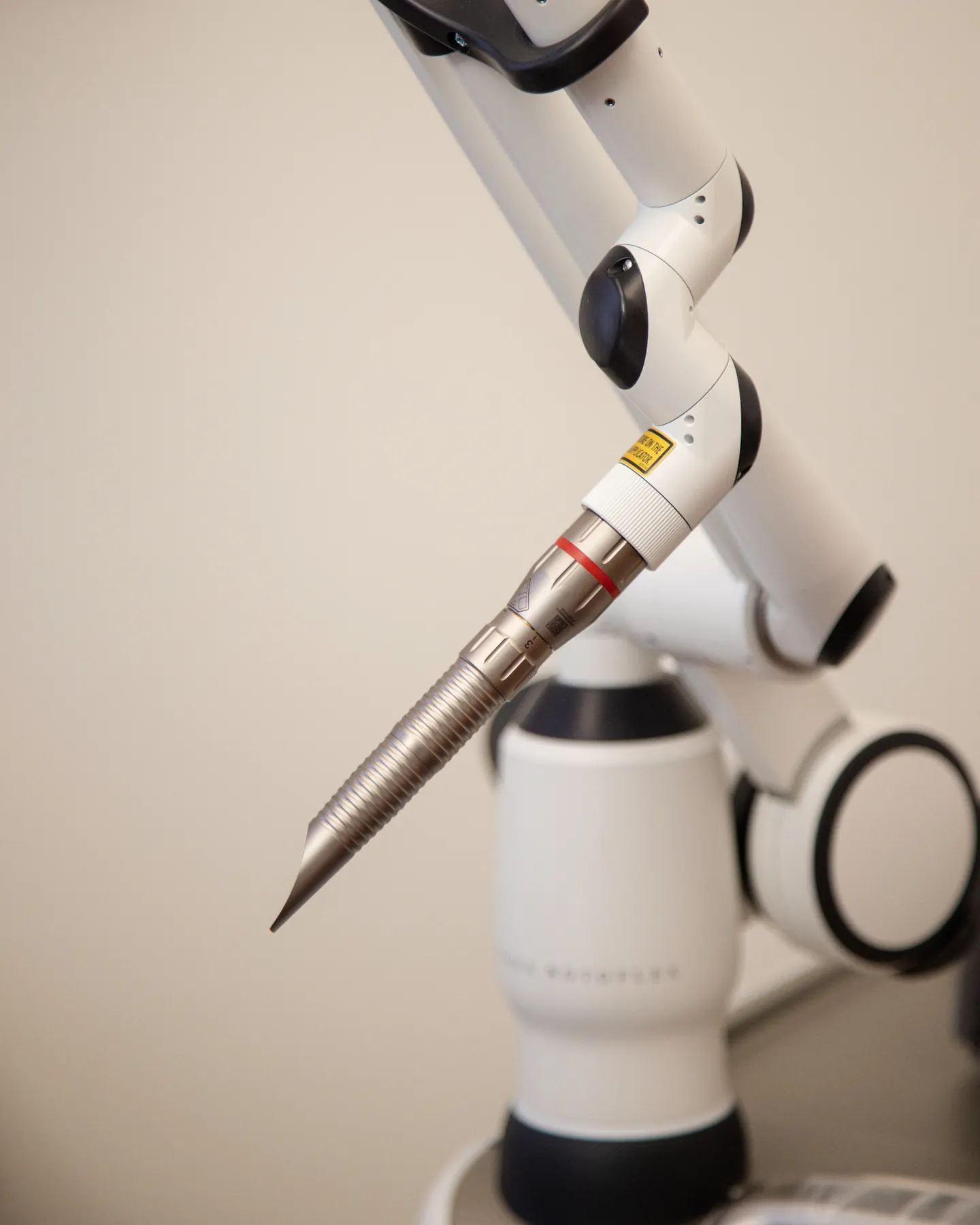
If you spend any time looking into aesthetic treatments in the San Fernando Valley, you will quickly notice how often laser procedures come up in conversation. Patients want visible improvement, but they also want flexibility. They want options for texture, tone, acne scarring, redness, laxity, sun damage, and maintenance that fits around work, school pickups, and weekend plans. That is part of why Fotona laser platforms have earned so much attention. They are versatile, customizable, and capable of treating very different concerns without forcing every patient into the same protocol.
For anyone researching Fotona Laser Treatments Encino, CA, the real question is not whether the name is popular. It is whether the treatment makes sense for your skin, your goals, your downtime tolerance, and your provider’s skill set. Brand recognition helps, but treatment planning matters more than the logo on the machine.
Why Fotona stands out in a crowded laser market
Fotona is not a single treatment. It is a laser platform with multiple applications, and that distinction matters. Patients often arrive expecting one standard experience, then discover that a Fotona treatment for acne scars feels very different from a Fotona treatment aimed at tightening delicate tissue around the eyes or stimulating collagen inside the mouth.
That versatility comes from the wavelengths commonly used on Fotona systems, particularly Er:YAG and Nd:YAG. In practical terms, one can be used more aggressively for resurfacing and texture, while the other can reach deeper tissue and support tightening, vascular concerns, or bulk heating. Depending on the handpiece, settings, and technique, the experience can range from a relatively light lunch-hour session to a more intensive procedure with several days of social downtime.
This flexibility is both the strength and the source of confusion. Many patients hear “Fotona” and assume it tells them everything they need to know. It does not. The platform is only the starting point. The specific protocol, the energy settings, the number of passes, the treatment interval, and the provider’s judgment determine the actual result.
In Encino, that distinction is particularly relevant because patient concerns are often layered. A single person may have mild melasma, old acne scarring, visible pores around the nose, early lower-face laxity, and cumulative sun exposure from years of Southern California living. One-size-fits-all treatment planning rarely works well in that setting.
The kinds of concerns Fotona can address
One reason clinicians reach for Fotona is that it can be adapted to several common complaints without requiring surgery. The key word is adapted. Not every concern responds equally well, and not every patient needs the same level of treatment.
Skin texture is one of the most straightforward uses. Fine lines, roughness, enlarged pores, and superficial acne scarring often respond well to carefully selected resurfacing settings. Patients usually notice that makeup sits better on the skin and that the overall surface looks more refined, even before deeper collagen remodeling becomes obvious.
Acne scars are more complicated. Shallow rolling scars often improve more than deep ice-pick scars. Some patients do well with a series of gentler treatments, while others need a more aggressive resurfacing plan or a combination approach that includes subcision, RF microneedling, or fillers. Good providers say this plainly at the consultation. If someone promises that one laser session will erase long-standing scars, that is a warning sign.
Mild skin laxity is another area where Fotona can be useful. Certain protocols focus on controlled heating to stimulate collagen and support tightening, especially around the Fotona Laser Treatments Encino, CA jawline, lower face, neck, and periocular area. The improvement is usually subtle to moderate, not surgical. That subtlety can be a benefit for patients who want to look fresher without looking “done,” but it can also disappoint those expecting the effect of a facelift.
Pigment can improve as well, though this is where clinical judgment matters. Not every laser is ideal for every type of discoloration. Some brown spots from sun exposure respond nicely. More stubborn pigment conditions, especially melasma, need a cautious, strategic approach because heat can sometimes worsen them. In Los Angeles-area practices, experienced providers are usually careful around this issue because they see it often.
Some offices also use Fotona for specialty applications such as lip rejuvenation, periocular tightening, snoring-related treatments, and gynecologic indications. These are real uses, but they should be discussed in detail with a qualified clinician rather than treated as casual add-ons. The technology may be broad, but each indication has its own expectations and limitations.
What a consultation should actually cover
A useful laser consultation is not a sales pitch. It is a decision-making visit. If it feels rushed or overly polished, you are probably not getting enough information.
The first thing a thoughtful provider evaluates is not your age. It is your skin behavior. How reactive are you? Do you tan easily? Have you had post-inflammatory hyperpigmentation in the past? Are you using retinoids, benzoyl peroxide, hydroquinone, or prescription exfoliants? Have you taken isotretinoin recently? Do you get cold sores? These details affect safety just as much as your main cosmetic concern.
The second consideration is your lifestyle. Encino patients often have busy schedules and year-round sun exposure. That combination shapes treatment planning. A teacher on summer break can usually tolerate more downtime than a real estate agent with daily client meetings. A person who hikes every weekend in strong sun may need a different plan from someone who can stay strictly sun-protected while healing.
The third issue is what bothers you most in the mirror. Patients frequently arrive saying they want “better skin,” but that can mean ten different things. Sometimes the provider sees laxity while the patient only cares about old breakout marks. Sometimes the patient focuses on one crease while the bigger issue is overall texture and uneven reflected light. Clarifying priorities is what prevents overtreatment in one area and neglect in another.
A thorough consultation should also cover the possibility that Fotona is not the best first move. In real practice, the best aesthetic plans are often mixed plans. A patient with volume loss, etched lines, and crepey skin might need a staged approach rather than repeated laser sessions alone.
How treatment feels, and how much downtime to expect
This is where advertising language often becomes slippery. “Minimal downtime” can mean very different things to different people. For some patients, it means slight pinkness by dinner. For others, it means three days of looking sunburned and one week of feeling too dry or flaky for a major social event.
A lighter non-ablative or tightening-focused session may feel warm, prickly, and very tolerable with topical numbing, chilled air, or both. Patients usually leave pink and may feel residual heat for a few hours. Makeup may be possible the next day, depending on the exact settings.
A resurfacing session is another matter. With more intensive Er:YAG settings, there can be clear redness, swelling, and a sandpapery or bronzed healing phase as the skin renews itself. People who have never had a laser treatment often underestimate this stage. They imagine “glow” and forget about the several days in between. The trade-off is that stronger sessions tend to produce more noticeable improvements in texture, fine lines, and superficial scarring.
Pain tolerance also varies more than people expect. The same treatment can feel easy to one patient and quite spicy to another, especially around the upper lip, forehead, and periocular area. Good offices prepare patients for that honestly and manage comfort accordingly.
The smartest way to think about downtime is not in marketing language but in practical terms. Ask yourself whether you can comfortably attend work, appear on camera, exercise, wear makeup, and be outdoors in the days after treatment. Those answers matter more than a generic phrase on a website.
Why provider technique matters more than the machine
A strong platform in inexperienced hands can still produce mediocre results. This is especially true with laser work, where small technical decisions add up quickly.
Depth, pulse duration, overlap, endpoint recognition, cooling, and patient selection are not abstract concepts. They determine whether a treatment is effective, too mild, or overly aggressive. When providers know how to tailor a protocol, they can adjust for skin thickness, oiliness, prior procedures, and healing history. When they do not, they tend to rely on preset protocols and broad promises.
That is why patients comparing Fotona Laser Treatments Encino, CA should spend less energy hunting for the “best machine” and more energy evaluating who is operating it. Before-and-after photographs help, but they should be read carefully. Look for consistency in lighting and angles. Look for patients whose skin issues resemble yours. One dramatic transformation does not tell you much if the clinic cannot show routine, believable results across different ages and skin types.
It is also worth asking who performs the treatment. In some practices, the physician evaluates and the laser specialist performs. In others, the physician does the procedure personally. Either model can work well if supervision, training, and protocols are solid. What matters is transparency, experience, and a clear plan for complications or unexpected reactions.
Encino-specific considerations patients often overlook
Geography and lifestyle influence outcomes more than many people realize. Encino is not simply a pin on the map. It comes with climate, commuting, social patterns, and sun exposure habits that affect skin health.
The Valley gets hot. Heat matters because post-treatment skin is more sensitive, and because hyperpigmentation risk tends to rise when patients heal under imperfect sun protection. A person having laser in August who spends time driving, walking the dog at noon, or sitting near large windows is dealing with a different recovery environment than someone healing in a cool climate with less UV exposure.
Air conditioning and indoor dryness can also complicate healing. After resurfacing, skin often feels tight and thirsty. People who regularly move between extreme outdoor heat and aggressively cooled indoor spaces may need more deliberate barrier support than they expect.
There is also the social pace of the area. Many patients in Encino are balancing professional visibility with family obligations. They do not always have the luxury of disappearing for ten days. In those cases, a series of moderate treatments often makes more sense than one aggressive session, even if the long-term endpoint might be similar.
Who tends to do well with Fotona treatments
The best candidates are not necessarily those with the most severe concerns. They are the patients whose goals line up with what the technology can realistically deliver.
Patients with early to moderate signs of aging often do very well, especially if they are trying to preserve rather than overhaul. Someone in their thirties or forties with emerging laxity, textural change, and mild sun damage can often see meaningful improvement with a measured plan.
Patients with realistic expectations around acne scar improvement can also be excellent candidates. The word improvement matters here. Texture can often be softened, blending can be improved, and shadows can be reduced, but deep scars rarely vanish completely.
Patients who are disciplined with sunscreen and aftercare usually fare better than those who are not. This sounds mundane, but it is one of the clearest patterns in practice. The same treatment can produce cleaner healing and better pigment control in a compliant patient than in someone who resumes intense workouts, picks at flaking skin, and forgets SPF by day three.
The less ideal candidate is someone chasing a dramatic surgical result from a nonsurgical treatment, or someone who is unwilling to accept even short-term downtime. Laser can do a lot, but it cannot negotiate with unrealistic expectations.
When a different treatment may be better
This is the part many promotional pages skip, but it is often the most helpful.
A patient with significant jowling or neck laxity may be better served by a surgical consultation than by repeated tightening sessions. A patient with very deep acne scars may need subcision before laser. A patient with active inflammatory acne may need that controlled first, otherwise new lesions keep undermining progress. Someone with diffuse redness from rosacea may need a vascular-specific device rather than a general resurfacing plan.
Even within the world of laser and energy-based devices, there are trade-offs. Fractional resurfacing, RF microneedling, ultrasound tightening, IPL, vascular lasers, and chemical peels each have strengths. Fotona can be an excellent choice, but it is not automatically the best choice because it is versatile.
An experienced clinician usually explains where Fotona Laser Treatments Encino, CA the treatment sits on the spectrum. If you hear that one device handles every concern better than anything else, skepticism is healthy.
The treatment course patients should expect
A common mistake is to think in terms of a single appointment. Some patients do see a noticeable difference after one stronger session, but most aesthetic laser work is cumulative.
Collagen remodeling takes time. Texture refinement may begin fairly soon after healing, yet deeper changes often continue over several weeks or months. That delayed gratification can feel odd if you are used to injectables, where results may appear quickly.
For milder protocols, a series is often recommended. Depending on the concern, that might mean several treatments spaced weeks apart. Providers usually adjust the plan based on response, healing, and season. In Southern California, timing treatments around vacations, weddings, and summer sun exposure is not a minor detail. It is part of sensible planning.
Maintenance is another reality that should be discussed openly. Skin continues to age. Sun exposure continues to accumulate. Hormonal patterns continue to affect pigment and oil production. A successful laser series does not freeze time. It resets the baseline to a better place, then maintenance helps preserve that gain.
Smart questions to ask before booking
The quality of the consultation often predicts the quality of the experience. A few practical questions can make a big difference:
- Which Fotona protocol are you recommending for my specific concern, and why?
- What kind of downtime should I expect in real-life terms, not just “minimal” or “moderate”?
- How many treatments do patients like me typically need to see worthwhile improvement?
- What risks do you watch most closely for my skin type and history?
- If Fotona is not the best option for me, what would you recommend instead?
Those questions tend to shift the conversation away from marketing and toward judgment. A strong provider usually welcomes that shift.
Aftercare has more influence than most people think
Aftercare is not glamorous, but it affects results. The first week, in particular, is where many preventable issues begin. Friction, heat, sun, harsh products, and impatience are the usual culprits.
The specifics vary by treatment depth, but the principles are consistent. The skin barrier needs support, inflammation should be respected rather than provoked, and healing skin should be protected from UV exposure with unusual seriousness. Patients sometimes do everything right in the clinic and then sabotage recovery by resuming active skincare too early or by treating post-laser roughness as something to scrub away.
A sound aftercare routine often includes a gentle cleanser, a plain healing moisturizer, sun protection, and a pause on stronger actives until the provider says otherwise. For patients with a history of cold sores, antiviral precautions may be appropriate around treatments near the mouth. For those prone to pigment, pre-treatment and post-treatment pigment control strategies may be part of the plan.
This is also the stage where unrealistic social planning causes regret. If your provider says you may look puffy, red, or flaky for several days, believe them. Schedule accordingly.
What pricing usually reflects
Prices vary, and they vary for legitimate reasons. The treatment area matters, the protocol matters, the provider’s expertise matters, and the amount of time booked matters. A quick tightening session is not priced like a more intensive full-face resurfacing procedure.
Patients are understandably tempted by discounts, especially in a competitive market. Sometimes those offers are perfectly reasonable. Sometimes they are attached to overly mild settings, rushed appointments, or treatment plans built around volume rather than outcomes. In aesthetics, bargain pricing can be a false economy if it leads to under-treatment, avoidable complications, or a need to repeat ineffective sessions.
The best way to judge value is to connect cost with clarity. What exactly is being treated? How many sessions are expected? Who performs the procedure? What support is included if healing is slower than expected? Those answers tell you more than the sticker price alone.
A measured way to think about results
The most satisfied laser patients are usually the ones who approach treatment as refinement, not magic. They understand that skin quality improves in layers. Better reflectivity, finer texture, softened lines, reduced scar contrast, and a tighter feel can add up to a face that looks healthier and more rested, even if no one can point to a single dramatic change.
That is often the sweet spot for Fotona. It suits patients who want visible progress with nuance, especially when the plan is individualized and the expectations are grounded. In a place like Encino, where many people want to look polished without looking obviously treated, that balance is part of the appeal.
If you are considering Fotona Laser Treatments Encino, CA, the most useful next step is not to chase the biggest promise. It is to find a provider who can explain the right protocol for your skin, the likely trade-offs, and where the treatment fits into the bigger picture of your goals. That is where good outcomes usually begin.
OMNIA Wellness Center
Address: 16430 Ventura Blvd Ste 207, Encino, CA 91436
Phone number: +18183868511
FAQ About Fotona Laser Treatments Encino, CA
What is a Fotona laser good for?
A Fotona Laser system is a versatile, dual-wavelength medical laser used primarily for non-surgical skin tightening, anti-aging rejuvenation, and dermatological treatments.
How much does the Fotona laser cost?
The cost of a Fotona laser depends heavily on whether you are looking to purchase a laser machine for a medical practice or are a patient seeking a laser treatment at a medspa.
Is a Fotona laser worth it?
A Fotona laser treatment is generally worth it if you want non-surgical skin tightening, improved texture, and collagen stimulation with very little downtime.